
15 October,2025
Choosing the right commercial garage door is a critical decision for any business. It affects security, energy costs, and daily operations. The two most common types are rolling steel doors and sectional doors. Understanding the core differences is essential to making the best investment for your facility.
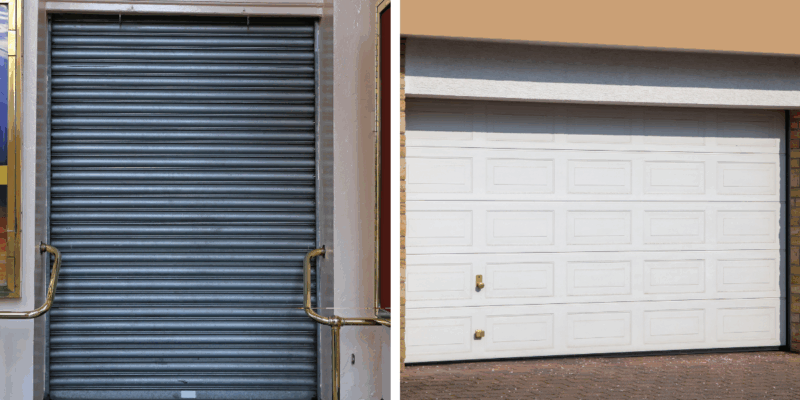
Sectional doors are constructed from several horizontal panels. These panels are typically made of steel, aluminum, or composite materials. They move along a track system installed inside the facility. When the door opens, the panels move upward and then horizontally back along the ceiling. They are popular for their insulation capabilities and clean aesthetics.
Rolling steel doors are also known as coiling or roll-up doors. They are built from a curtain of interlocking, heavy-gauge steel slats. As the door opens, this curtain rolls up. It forms a compact coil around a drum directly above the doorway. Rolling doors are known for their rugged construction and minimal footprint.
The structural and operational differences between the two door types directly impact their function in a commercial environment.
Selecting the right door depends entirely on the specific needs of your facility. Carefully evaluate the following six factors before making your final decision.
The spatial constraints of your building are often the first deciding factor. Each door type uses interior space differently. Businesses with limited space must prioritize the door that maximizes their floor plan.
Rolling steel doors are the most space-efficient option. They coil tightly into a drum assembly above the door opening. This requires minimal overhead clearance and leaves the ceiling area clear for lighting, HVAC, or fire suppression systems. This is ideal for manufacturing facilities with a high density of machinery.
Sectional doors require space for the tracks to run back into the building. Standard sectional doors need significant backroom—often the height of the door plus several feet. If you have low ceilings, a small loading bay, or high-density storage shelving, sectional doors may not be a practical fit due to these track requirements.
For many commercial operations, security is the single most important factor. The door must withstand harsh weather and deter intrusion. The construction of rolling steel doors makes them a security powerhouse.
Rolling steel doors are made of heavy-duty, interlocking steel slats. This solid curtain is extremely resistant to impact and prying. They create a strong, solid barrier when closed. For businesses storing high-value inventory or operating in high-crime areas, such as logistics centers or municipal buildings, rolling doors provide superior physical security.
Sectional doors, while robust, are panel-based. The joints between the panels and the track mechanisms are potential weak points. An aggressive intruder may be able to damage the track or panels to gain access. If your business faces hurricane-force winds or high security risks, the monolithic strength of a rolling steel door is generally a better choice.
Commercial doors often cycle hundreds of times per day. The lifespan and repair frequency of the door directly affect operational downtime and maintenance budgets. Both doors are built for commercial use, but they handle wear differently.
Rolling steel doors are engineered for extreme durability and high cycle life. Their construction involves fewer complex components than sectional doors. The heavy-duty slats and mechanism are designed to endure years of intense use with minimal failure. They are a reliable choice for high-traffic environments, like public parking garages or busy freight terminals.
Sectional doors contain more moving parts. They rely on hinges, rollers, cables, and springs for operation. These components are prone to wear and tear and require more frequent maintenance. An accidental impact from a forklift or vehicle can damage a roller or a track section. This damage can easily stop the entire door system.
Read More:
The Role of Commercial Garage Doors in Business Security
Energy efficiency is a major operating cost for any business. The door’s ability to maintain internal climate is a crucial factor, especially for climate-controlled facilities. The structure of sectional doors gives them a distinct advantage in this area.
Sectional doors are composed of thick, insulated panels. These panels often contain a layer of polyurethane or polystyrene foam. This provides high R-values and excellent thermal resistance. Tight seals around the entire perimeter minimize air leakage. This makes them perfect for food processing plants, cold storage facilities, and heated maintenance shops.
Rolling doors, by nature of their coiling slat design, have more gaps between components. While insulated rolling doors are available, they typically do not achieve the same insulation values as sectional doors. They are best suited for non-climate-controlled spaces, such as loading docks or equipment storage buildings, where extreme temperature control is not necessary.
Your door is a significant part of your building’s exterior. Its appearance should align with your corporate image. Sectional doors offer more visual customization. They are available in a vast array of colors, finishes, and panel designs.
The most significant aesthetic advantage of sectional doors is the ability to include windows. These vision panels allow natural light into the workspace. This improves employee morale and reduces lighting costs. They are the preferred choice for commercial showrooms, retail outlets, or auto service centers where appearance matters.
Rolling doors prioritize function over form. Their construction is purely industrial. They rarely feature windows, as that would compromise the curtain’s security and rolling function. They are available in different colors and finishes, but their core look remains that of a robust, continuous steel curtain.
The investment in a commercial door involves both the initial purchase price and the total cost of ownership over its lifespan. Sectional doors usually have a lower initial material and installation cost. This makes them an attractive option for businesses on a tighter starting budget.
However, rolling steel doors often provide better long-term value. Their durability and low rate of component failure mean reduced maintenance and repair costs over decades. Though the initial investment is higher, their superior longevity and resilience to dam age often translate to a lower total cost of ownership for high-cycle environments.
Conclusion
The decision between a rolling steel door and a sectional door ultimately comes down to a clear assessment of your business priorities. If maximizing overhead space, ensuring maximum security, and demanding an extremely high cycle life are your top concerns—as in a high-traffic warehouse or secure facility—the rolling steel door is the superior, long-term investment.
Conversely, if thermal insulation, energy savings, natural light, and a more finished aesthetic are crucial—typical for auto service centers or climate-controlled industrial facilities—the sectional door is the clear winner. By weighing the factors of space, security, durability, and climate control, you can choose the commercial door that best supports your operational efficiency and long-term success.
Leave a Reply